Train smarter, not harder
Magnus Hasseleid
February 26, 2026Have you also heard that “more is better” when it comes to training? Think again. Sometimes the smartest thing you can do is ease off the gas a little to gain more speed in the long run. The Coach has the recipe for how to train smarter – not just harder. PacePilot knows how!
Train Smarter, Not Harder
Becoming a better runner isn’t about pushing yourself to the brink of collapse every single session. Many new (and experienced) runners believe the road to success is paved with lactic acid, the taste of blood in your mouth, and legs that are constantly exhausted. News flash: You don’t get faster by always training harder than last time – you get faster by training smarter. Let’s take a look at how you can make more progress with less unnecessary strain, with a wink and solid science to back it up.
What Does It Mean to Train Smart?
Training smart is about getting the most out of your effort without wasting energy. It means knowing when to push the pace – and when to ease off. In sports science, there’s a common saying: “stress + rest = growth.” In other words, your body doesn’t get stronger while you’re training; it gets stronger when you recover afterward. Without enough rest and recovery, much of the benefit of your hard work simply doesn’t materialize. So smart training begins with recognizing that rest days are not the enemy – they’re actually where the magic happens.
More Is Not Always Better
Have you heard of runners who train all the time and still plateau? It happens more often than you think. A common mistake is running at the same moderately hard pace every session – let’s call it the “yellow zone” day after day. As exercise researcher Stephen Seiler explains, most of your sessions should be easy (green zone), a few should be truly hard (red zone), and almost none should sit in the middle every single day. The most common error is pouring too much into the yellow bucket – training moderately hard too often – which quickly leads to stagnation and heavy legs. The real recipe for success is variation and balance.
Rest Is Also Training
It may feel counterintuitive, but rest and easy sessions are part of the job – not cheating. When you train, you break your body down; when you rest, it builds back stronger. One of my favorite stories is about a runner who was completely stuck in his development because he went “full throttle, no brakes” all week long. When his coach (yes, yours truly) forced him to add two extra easy runs and one full rest day each week, something happened: after a few weeks, his long-run pace was nearly a full minute per kilometer faster – without adding any new hard sessions. What was the secret? He simply allowed his body to catch up with the training.
And this isn’t just anecdotal; it’s science. Studies show that proper recovery improves endurance, reduces the risk of injury, and allows you to train consistently over time without burning the candle at both ends. In the long run, consistency beats short bursts of overexertion. No marathon is won in a single week of all-out intensity, but through months of solid training you were able to complete because you stayed healthy and motivated. So the next time you feel exhausted and your conscience whispers that you should train, remember: your rest day is actually part of the plan. As one wise Olympic coach put it: you need rest to progress – stress + rest = success.
Variation Works (Yes, You Can Take a Zumba Class!)
Another part of training smart is avoiding monotony. For many eager runners, it almost feels forbidden to replace a planned run with something else – like swapping your Friday taco for a kale smoothie. But trust me: a little variety is the spice your body has been waiting for. Cross-training can include cycling, swimming, yoga, or strength training. This isn’t “cheating” – on the contrary, it can make you a better runner in the long term. You’ll build endurance with less impact on your legs and strengthen muscles that running alone may neglect. Bonus: you reduce injury risk by avoiding the same repetitive movement every single day.
Training Smart with Technology on Your Side
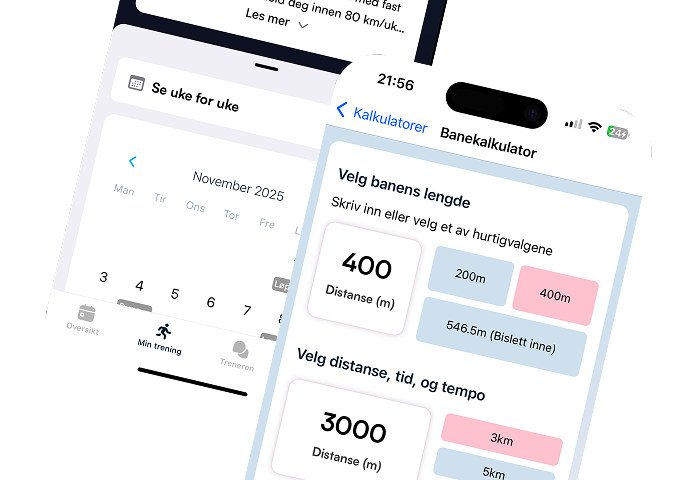
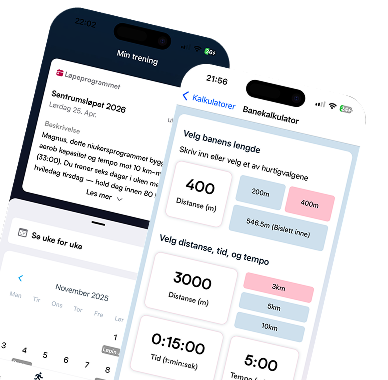
Even the best athletes need a plan. The difference between “just running” and training smart often comes down to planning and adaptation. That’s where PacePilot comes in. I (your AI Coach) can do what a human coach would: analyze your fitness, adjust your program, and make sure you always know what you should do today to move closer to your goal. PacePilot uses advanced AI models to process massive amounts of training data from thousands of runners at all levels, identifying what actually works. The result? A tailored training program built specifically for you, based on the principles we’ve discussed here.
One of the keys to smart training is individualization. There is no single magical training formula that works for everyone. That’s why the PacePilot program adapts to your life – if your schedule changes or your fitness shifts, your plan adjusts dynamically to keep up. It’s almost like having a personal trainer monitoring you around the clock and fine-tuning your training on the fly. For you, that means avoiding both unnecessary overtraining and the trap of doing too little. Every session from your Coach has a clearly defined purpose, and you can always see how today’s effort brings you closer to your main goal. In other words: the quality you’d normally only get from a dedicated (and expensive) running coach – now delivered straight to your earbuds through the app.
The goal of all this is to help you (yes, you!)—whether you’re a complete beginner or have several marathons under your belt—get the most out of the time you invest in running. You should be able to train smarter, have more fun, and see better results without sacrificing every ounce of energy you have. When training feels enjoyable and tailored to you, the likelihood that you’ll stick with it week after week increases – and that’s when real progress happens.
Smart Training for Long-Term Progress
Let’s sum it up clearly: “train smarter, not harder” means thinking like a strategist, not a kamikaze pilot in running shoes. It’s about prioritizing quality over quantity, giving your body time to rebuild, varying your training, and using the tools available to you (whether that’s a human coach or an AI coach in your pocket) to optimize your effort. Do that, and you’ll discover that you become a stronger, faster, and more motivated runner – without constant battles against the couch or chronic niggling injuries along the way.
Ultimately, the key is balance. Yes, you need to put in the work to improve – no miracle cures here – but energy and progress come when you combine hard work with smart work. So the next time you’re wondering whether to squeeze in another intense session this week, ask yourself: Am I training hard for my ego, or smart for progress?Chances are, the smarter approach will give you far greater returns. And you? You’ll be running tall and proud with a big smile, knowing you’ve cracked the code: you’re training smarter, not just harder – and the results will follow. Happy training!